You have probably asked it before you have even finished describing the project: "So, how long is this going to take?" It is the question every business owner and marketing lead wants answered first, and honestly, it is the one question with no single right answer. A design timeline is not a fixed number that a studio pulls out of a hat. It is something you build together, piece by piece.
In this post, we will walk through what a typical studio engagement actually looks like. We will start with Phase 1: Discovery and Briefing, then move through Concept and Creative Direction, Design Development and Refinement, Feedback, Revisions and Approval, and finally Final Delivery and Production Handover. Along the way, we will look at the client-side delays that quietly stretch a schedule, the habits that shorten one, and how to slot a design timeline into your wider launch plan. By the end, you will see why a clear timeline is really a briefing problem, not a speed problem.

"How long will this take?" arrives before any question about cost or capability. The honest answer is a range, not a date: your calendar is set by decisions and dependencies more than by designer speed. Briefing quality and approval turnaround move timelines more than studio speed. The Design Council's Value of Design Factfinder found fast-growing businesses were nearly six times as likely as static ones to treat design as a strategic input (2005 to 2007 data, historical).
Delay travels. A discovery decision held back pushes concept, development, approval and delivery. A week lost early rarely stays one week: later phases inherit the delay and add knock-on effects.
Design now sits inside commercial planning. September 2026 reports put it ahead of retail as the UK's top economic contributor. That came from a Dezeen headline and the Design Council economy report, so check both before citing.
Ahead: the phases of a typical studio engagement, what you owe at each gate, what shortens or stretches the schedule, and how to fold it into a launch plan. Every duration is indicative, from our experience on similar projects, not a guarantee. Curious? See What You Can Expect or the Latest from the blog.
Discovery is where the clock either starts cleanly or limps. We talk to your stakeholders, audit existing brand assets and marketing materials, review competitors and the category, map audiences to channels, and agree the commercial objective the design must serve and how success gets measured. For a focused brand refresh or campaign brief, expect roughly one to three weeks, longer when several stakeholders, markets or languages are involved. How long does a brand identity package take? That depends on the same scope. The biggest variable isn't design work, it's how fast people get into the same conversation. We need a named decision maker and your background: current assets and guidelines, access to sales or customer insight, a stated budget range, and a deadline the business genuinely needs rather than an aspirational one. Trap? Briefs that describe taste ("modern but warm") instead of outcomes ("support a 20% lift in qualified enquiries"). Vagueness reappears later as revision rounds, where discovery shortcuts get expensive. Every ambiguity resolved here is a round of guessing avoided in concept and development. A structured design sprint can compress discovery and early concept work into about a week when scope is defined and decision makers are present.
Once discovery is signed off, the studio turns that brief into creative routes. You'll usually see two or three genuinely distinct directions, shown through real applications rather than abstract mood boards. Each comes with a rationale tied to the agreed brief, so choosing one is a business decision, not a beauty contest.
Expect two to four weeks in most cases. Multiple territories, sub-brands or languages add time, since each needs separate treatment. Testing concepts with customers before sign off adds more. These ranges reflect our experience on comparable projects, not industry benchmarks.
Your job: send one consolidated round of feedback, not opinions trickling in from different people, then give a clear steer on which route to develop. Route selection is the gate that decides whether the next phase starts on schedule.
Two things wreck this phase: a large committee with no way to resolve disagreement, and "one more option" requests after a direction was agreed. Both undo finished work. Neither is a design speed problem.
The fix starts earlier: share references and honest dislikes during discovery, so concepts land in the right territory first time. Sharper briefing means fewer iterations.
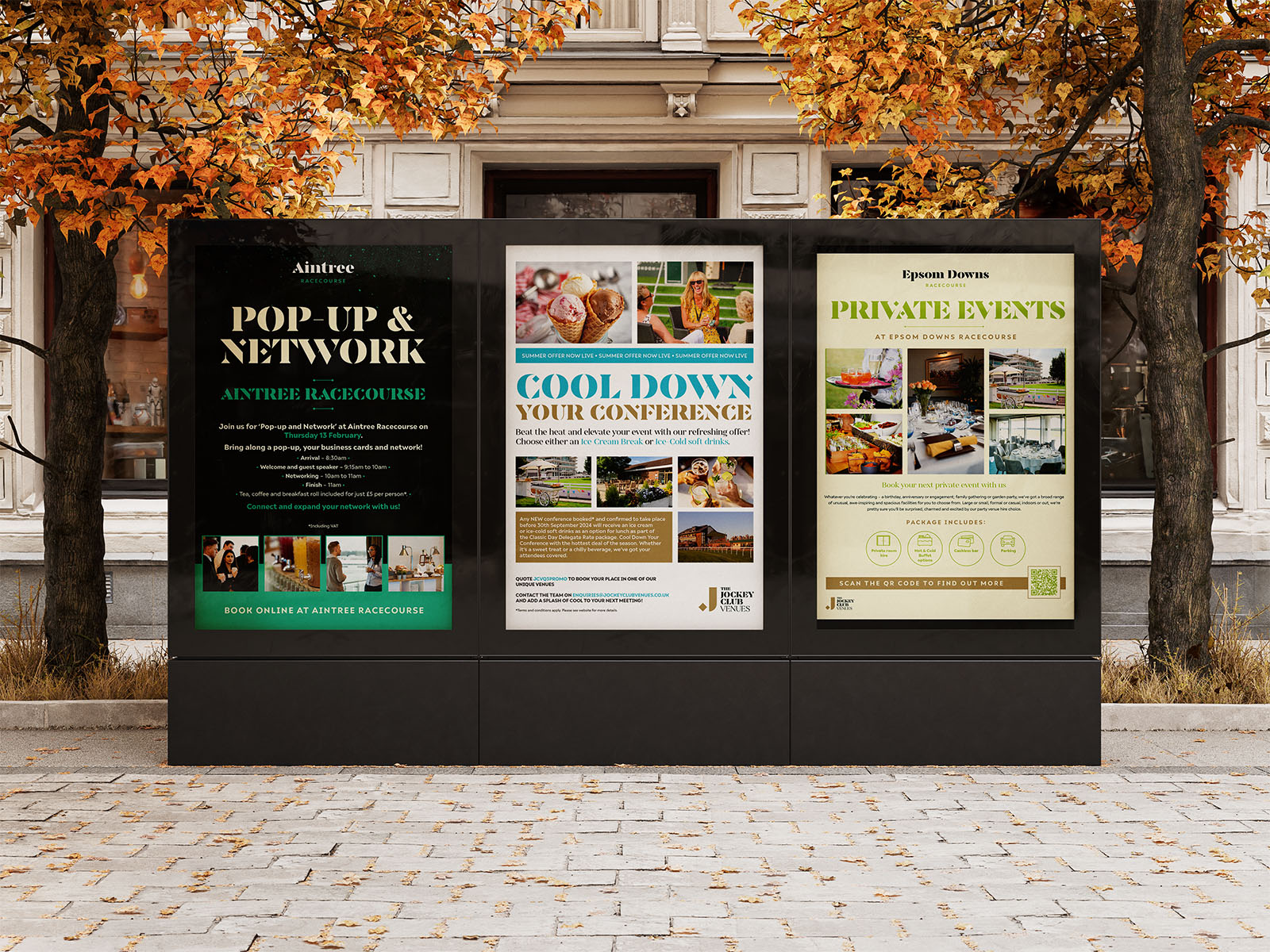
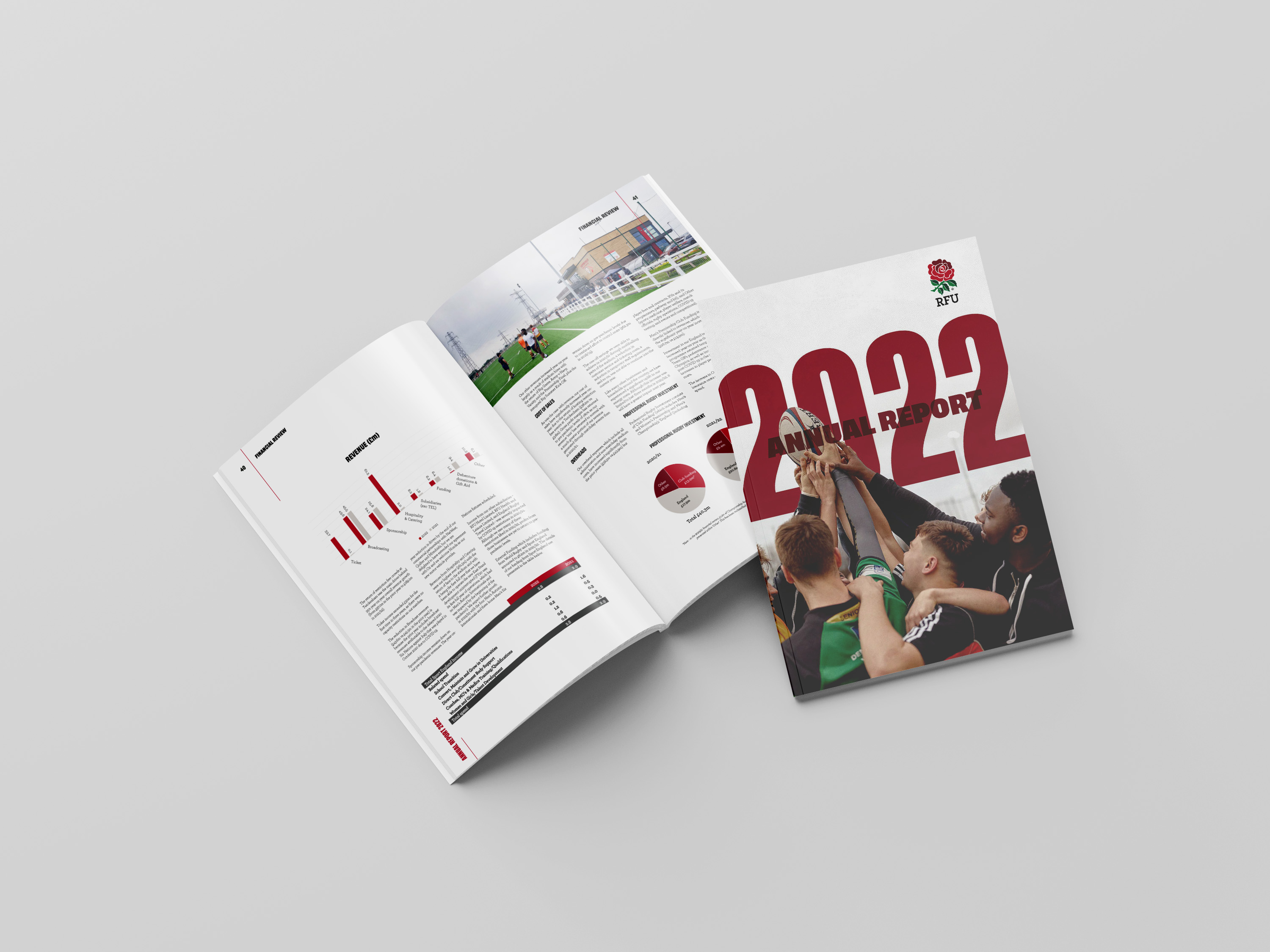
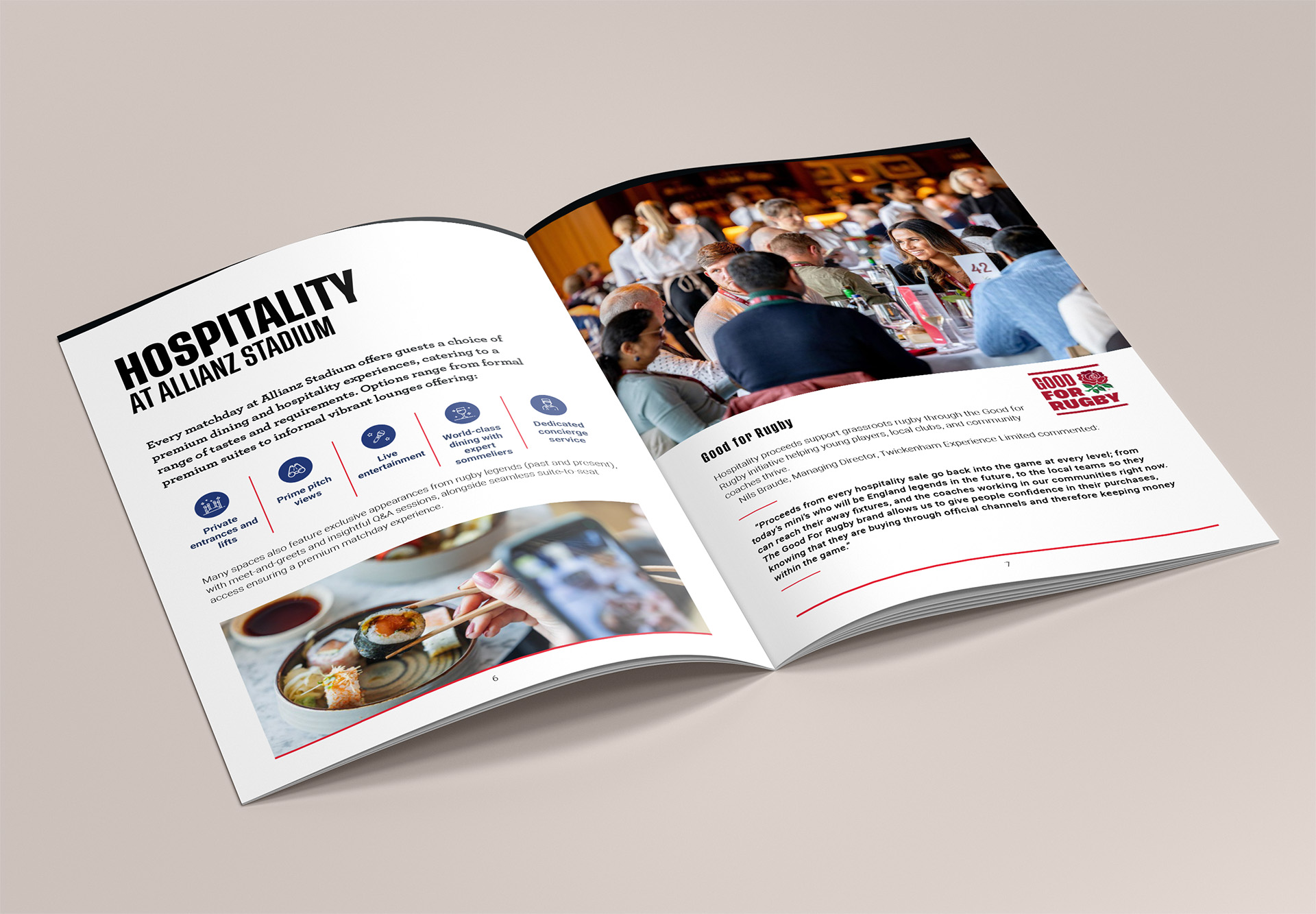
With a route chosen, the real building starts. The approved direction gets built across actual applications: logo suites, type and colour systems, editorial layouts, campaign assets, or website and UX screens and components. Expect three to six weeks for a core identity system, longer for multi-channel campaigns or websites where copy, imagery, accessibility and development share the same chain. Decision density, not drawing time, makes this phase hard to compress. Every new application raises fresh questions about hierarchy, tone, image treatment and accessibility, and each answer needs sign off. Cutting the number of applications in version one shortens the timeline more reliably than demanding speed. Your job is to supply final copy, approved imagery, product details, and legal or brand compliance sign off when requested, not when convenient. Late source material is the most common single cause of a missed delivery date. Raise technical constraints early: contrast ratios, type sizes, responsive behaviour, print finishing and accessibility needs are cheaper to design in now than to retrofit later, when fixes mean new artwork, new proofs and another approval cycle. For an example of assets built out this way, see this brand collateral update. See more from the blog on design costs.
Once development is done, the work enters its most misunderstood phase. Feedback arrives, gets consolidated, and turns into revision rounds. Most proposals include two or three rounds, with anything beyond that quoted as extra so both sides know where the boundary sits.
Indicative duration: one to three weeks. The dominant variable is not design time. It is how long feedback sits unread in an inbox or waits for the next steering meeting, the least measured and most under-estimated part of any schedule.
Structure it to move fast:
One collated document from one owner.
Comments pinned to a single PDF or prototype.
Every point marked as a decision, not a thought.
Contradictory comments from three departments can quietly add a fortnight.
Watch for scope creep wearing a feedback costume. "While we are here, could we also..." turns a revision round into a mini project. Treat it as a change request with its own time and cost, and the original timeline stays honest.
Build approval gates into the calendar: sign off on concept before development, and design before production. Missing a gate doesn't just delay the project, it creates rework, because the next phase has already begun on assumptions.
Once sign-off is done, we package everything so it works in the wild. That means print-ready artwork with correct bleeds, colour profiles and specifications, digital assets in the right formats and sizes, brand guidelines or a lightweight design system, and source files where your agreement allows.
Allow one to two weeks for asset preparation and handover. That stretches when print production, installation, photography or a website build follows the design work rather than running alongside it.
Some of this sits outside the studio's control. Paper stock availability, proofing turnaround, press schedules and installers can add days even when artwork is finished on time. So build production buffer into your launch plan, not your design plan.
Handover quality decides how long your next project takes. A proper asset library, clear guidelines and tidy file names mean future work starts from a known base, not a blank page. That is where repeat projects save the most time.
Finally, close the loop. A short review of what ran longer and why helps studios, including ours, quote tighter, more accurate ranges next time, because the real variables are already known.
Handover done, projects sail to launch. When they don't, the delay is usually yours, not ours.
Late or partial briefs. Work starts on assumptions, and assumptions get corrected in revisions. That's why bodies such as ICoD warn against speculative, unpaid early creative work. Unsettled briefs get redone later. Send the full brief before kick-off.
Committee feedback. Separate stakeholder comments, departments contradicting each other, or a senior voice joining late to reopen settled questions. Each turns a one-week revision round into a three-week one. One owner, one collated document.
Waiting on assets. Copy, photography, product samples, legal sign off, translations, permissions. Each wait pauses the studio while your launch date slips, so the delay lands on your calendar.
Approval lag. Feedback promised by Friday and arriving the next Wednesday, repeated over three rounds, can add two to four weeks without a single new design being produced. That figure is indicative, from studio experience. Track yours.
Mid-project brief changes. Adding markets, channels or audiences after concept approval restarts the discovery and concept clock for that scope. August, December and peak campaign periods tighten studio capacity, so booked slots beat raw speed. Next, how ready clients sidestep all five.
Flip those delays around and you get the habits of ready clients.
Name one decision maker with real authority to sign off, plus a named stand-in for holidays and busy weeks. A single owner on the approval path removes the most common cause of week-long gaps.
Agree a written brief before kick-off: objectives, audience, deliverables, channels, budget, deadline and how you will measure success. It costs an afternoon, not a week, and it is the biggest lever on total project length.
Gather source material up front in one shared folder. Logos, fonts, imagery, product specs, tone of voice notes, guidelines and legal constraints. Add a short list of references you like and why. That beats a long list of things to avoid.
Diarise feedback windows at each gate. Fixed review slots, not open-ended ones. A 48-hour window per round, with feedback collated into one document, keeps the chain tight and prevents the stop-start that quietly adds weeks.
Match scope to the deadline rather than compressing every phase. A focused brand refresh or design sprint delivers something usable in weeks; a full rebrand plus website plus campaign is a quarter-long programme. Honest scope beats speed you cannot hold.
Ready clients set the pace. Now build it into the calendar. Start at the launch date and work backwards, not forwards from kick-off. Pin the immovable dates first: press deadlines, seasonal trading peaks, event days and advertising booking cut-offs. Then fit the design phases behind them, with the real constraints visible.
Buffer belongs around approval gates and asset delivery, where slippage actually happens, not lumped at the end. A spare final week only hides the problem.
Sequence dependencies on purpose: photography and copy before layout, brand guidelines before campaign assets, design system before website build. Parallel work only saves time when it does not create rework later. Our Twickenham Christmas campaign shows assets lining up in the right order.
Plan who sees what. Broad consultation once, a small decision group in between, final sign off from one owner. Reviewing every round with everyone is slower and pricier.
Finally, agree how the design will be judged before it exists. Clear success criteria cut those late "can we try something else?" requests. The Design Council's Value of Design Factfinder found design can directly improve sales, profits and turnover (2005 to 2007 data, so historical), making a well-planned schedule a sound commercial call.
The five phases are simple: discovery and briefing, concept and direction, development and refinement, feedback and approval, then delivery and handover. What varies is how quickly your decisions and assets arrive at each gate. You control that. Three actions matter most: write the brief before briefing the studio, name one decision maker who can sign off, and diarise fixed feedback windows. Do those and most land on time. Want a firmer date? Skip the fastest-studio hunt. Ask what the studio needs from you and when, then check you can supply it. Historical Factfinder data (2005 to 2007) shows about £225 turnover per £100 spent on design. A delayed launch costs more than a well-planned one. Gather your brief, assets and launch dates. Ask for a timeline showing phases, gates and what you owe at each one. Still unsure how to decide which one is right for you? A short chat with an award-winning Chiswick and Hammersmith studio, across branding, editorial, campaigns and digital UX, turns anxiety into a board-ready plan.
A design project's timeline is not a magic number a studio pulls from a hat. It is built through five clear phases: discovery and briefing, concept and creative direction, development and refinement, feedback and approval, then delivery and handover. The biggest wildcard? You. Late assets, fuzzy briefs and too many decision makers stretch schedules faster than any creative challenge. So write the brief first, name one sign-off person, and lock in feedback windows. That turns design from a waiting game into a launch plan you can trust. Ready to swap timeline anxiety for a date your whole team can get behind? Send over your brief, assets and launch goals, and ask for a phase-by-phase timeline with gates. A quick chat with an award-winning studio can make your next launch feel calm, clear and genuinely exciting. Let's build something brilliant, on time.